
Acid Washing Safety for Pool Pros By Lauren Broom
Acid washing is a common and effective method used to remove tough stains, algae, and mineral buildup from pool surfaces, especially plaster and concrete.
However, the use of strong chemicals like muriatic acid (hydrochloric acid) makes safety a critical concern for pool pros.
Pool pros must follow strict protocols to protect themselves, their customers, and the environment.
Why Safety Matters
Muriatic acid is a powerful corrosive chemical that can cause severe chemical burns, respiratory damage, and eye injuries.
Improper handling not only risks personal injury to the pool pro but can also damage pool surfaces, surrounding landscapes, and plumbing systems.
Acid Washing Safety Practices
1. Required Paperwork
• Maintain written hazard communication program.
• SDS sheets for all chemicals.
• Labeling on chemicals. 2.Proper Personal Protective Equipment (PPE)
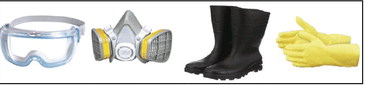
•Acid-resistant gloves (rubber or neoprene).
•Chemical splash goggles and a face shield.
•Long-sleeved acid-resistant clothing or a Tyvek suit.
•Closed-toe, chemicalresistant boots.
•A respirator with acid gas cartridges when working in enclosed or poorly ventilated areas. 3.Proper Ventilation Acid fumes can build up quickly in enclosed areas such as indoor pools or deep end walls.
Use fans, open doors and windows, and never work in a confined space without proper ventilation and a respirator.
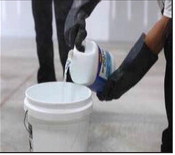
A swimming pool is considered to be a permit required confined space and shall be treated as such. 4. Mix Acid Safely Always add acid to water
Acid washing in pairs is a good safety provision.
Lauren Broom
Lauren Broom is a Certified Pool Operator Course, CPO
, instructor and a former health inspector for the Florida Department of Health. Lauren has a Bachelor of Science Degree in Biology and is a registered sanitarian.
She has 16-years of experience in commercial pool inspections and waterborne disease outbreak investigations.
Lauren lives in Palm Bay, Florida with her husband and their 3 children.
Lauren can be reached at spacecoastpoolschool@yahoo.com and never the other way around. This prevents dangerous splashes and heat generation. Use a plastic container and mix in a well-ventilated outdoor area, away from people and pets.
5. Disposal After acid washing, neutralize the acid with a sodium bicarbonate (baking soda) solution. Do not allow untreated acid runoff into storm drains or landscaping. Follow local environmental regulations for disposal.
6. Work in Pairs When Possible Having a second technician present increases safety. The second technician should not be in the pool, but above on the pool deck They can assist in emergencies or call for help if needed.
7. Emergency Preparedness
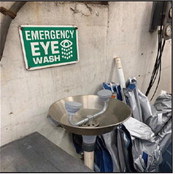
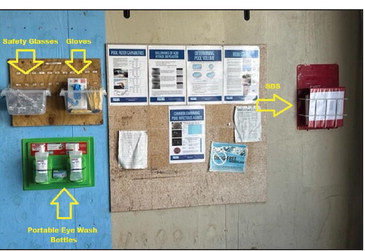
• Have an emergency eye wash station or portable eyewash bottle nearby.
• Know the location of the nearest fresh water source for rinsing skin or eyes.
• Keep a neutralizing agent (like baking soda) easily accessible.
• Know first aid procedures for acid exposure and seek medical help immediately if contact occurs.
Final Thoughts
Acid washing can restore a pool’s appearance but should never be taken lightly.
Proper training, PPE, and emergency preparedness are essential to protect yourself and others.
Pool service companies should provide regular safety training for employees and maintain updated safety protocols.
OSHA training that includes this and many other safety training topics are included in the OSHA 10 in General Industry for Pool Pros course that can be found at https://www.spacecoastpoolschool. com/osha-10-virtual-class/.
https://www.spacecoastpoolschool.com/osha-10-virtual-class/ https://www.spacecoastpoolschool.com/osha-10-virtual-class/
Recommended Personal Protective Equipment
Eye Wash Station

Add acid to water